Emergency Care in the US What to Expect
Understand the process and costs of emergency room visits in the US. Prepare for unexpected medical situations.
Understand the process and costs of emergency room visits in the US. Prepare for unexpected medical situations.
Emergency Care in the US What to Expect
Hey there! Let's talk about something nobody really wants to think about but everyone should know: emergency care in the US. Whether you're a resident, a new expat, or just visiting, understanding how the US emergency room (ER) system works can save you a lot of stress, time, and potentially money. It's a complex beast, often portrayed dramatically in movies, but knowing the real deal can make a huge difference when an unexpected medical situation arises.
When to Go to the ER Understanding Emergency vs Urgent Care
First things first, how do you even know if you need an ER? This is a crucial distinction because going to the wrong place can cost you more and take longer. Generally, an ER is for life-threatening conditions or severe injuries. Think heart attacks, strokes, severe bleeding, major fractures, difficulty breathing, sudden severe pain, or loss of consciousness. If you feel your life is in danger or you could suffer permanent disability, the ER is where you need to be. For less severe but still urgent issues, like a bad cold, minor cuts, sprains, or a fever that won't break, an urgent care center is usually a better, faster, and cheaper option. They can handle many things that don't require the full resources of a hospital ER. Knowing the difference can save you hundreds, if not thousands, of dollars.
The ER Process Step by Step Guide
So, you've decided it's an ER situation. What happens next? It's not always like what you see on TV where a doctor immediately rushes to your side. Here's a typical breakdown:
Arrival and Triage Initial Assessment
When you arrive at the ER, whether by ambulance or walking in, the first person you'll usually see is a triage nurse. This nurse will quickly assess your condition, ask about your symptoms, take your vital signs (blood pressure, heart rate, temperature, oxygen saturation), and determine how urgently you need to be seen. This is called 'triage,' and it's how ERs prioritize patients. Someone with a severe chest pain will be seen before someone with a sprained ankle, even if the sprained ankle arrived first. This can lead to long wait times for non-life-threatening conditions, so be prepared.
Registration and Paperwork Administrative Steps
After triage, you'll go through the registration process. This involves providing your personal information, insurance details, and signing consent forms. Even if you're in severe pain, try to provide accurate information. If you're unable to, a family member or friend can help. If you don't have insurance, don't worry; they will still treat you. Federal law (EMTALA – Emergency Medical Treatment and Labor Act) requires hospitals to provide a medical screening examination and stabilizing treatment regardless of your ability to pay or insurance status. However, you will be billed later.
Waiting Area and Examination Room Patient Flow
Once registered, you'll likely be directed to a waiting area. The wait time can vary wildly depending on the hospital's busyness and the severity of your condition. Once an examination room is available, you'll be taken there. A nurse will likely take a more detailed medical history, ask about allergies, current medications, and your symptoms again. Then, a doctor or physician assistant will examine you.
Tests and Diagnostics Medical Procedures
Depending on your symptoms, the doctor might order various tests. This could include blood tests, urine tests, X-rays, CT scans, MRIs, or EKGs. These tests help the medical team diagnose your condition accurately. Each test takes time, and you might be moved to different areas of the ER or hospital for these procedures.
Treatment and Decision Making Medical Interventions
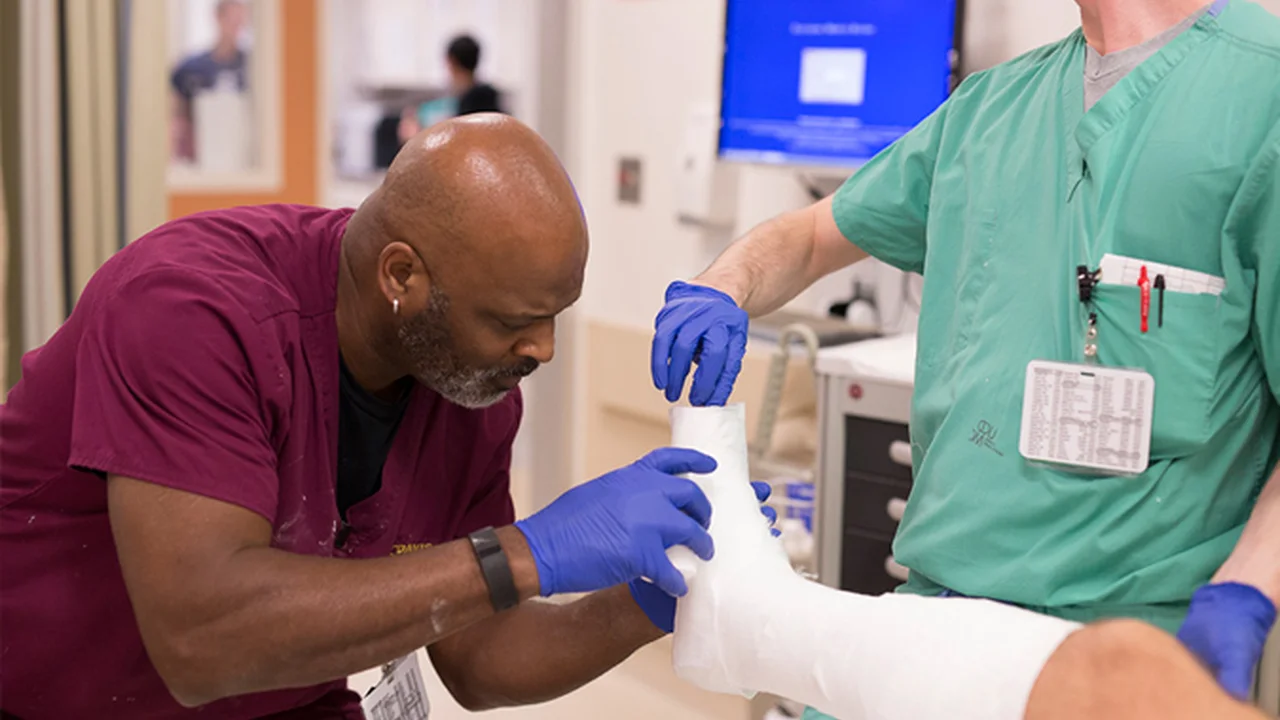
Once the diagnosis is made, the medical team will provide treatment. This could range from medication, wound care, setting a broken bone, or even preparing you for surgery. The doctor will explain your condition, the treatment plan, and what to expect. They'll also discuss whether you need to be admitted to the hospital for further care or if you can be discharged home.
Discharge or Admission Next Steps
If you're discharged, you'll receive detailed instructions for home care, prescriptions, and recommendations for follow-up appointments with your primary care doctor or a specialist. Make sure you understand everything before you leave. Don't hesitate to ask questions! If you're admitted, you'll be transferred to a hospital room for ongoing treatment and monitoring.
Understanding ER Costs and Billing Navigating Healthcare Expenses
This is often the most shocking part for many people, especially those new to the US system. ER visits are expensive, even with insurance. Here's why and what to expect:
Facility Fees and Professional Fees Cost Breakdown
An ER bill typically has two main components: a facility fee and professional fees. The facility fee covers the hospital's overhead, equipment, and staff. This can be thousands of dollars just for walking through the door. Professional fees are for the doctors, nurses, and other medical professionals who treated you. You might receive separate bills from the hospital, the ER doctor group, the radiologist who read your X-ray, and the lab that processed your blood tests. It's not uncommon to get multiple bills over several weeks or months for a single ER visit.
Insurance Coverage and Deductibles Financial Responsibility
Your health insurance will play a big role, but it won't necessarily cover everything. Most insurance plans have a deductible, which is the amount you have to pay out-of-pocket before your insurance starts covering costs. ER visits often incur a separate, higher co-pay or co-insurance than a regular doctor's visit. You might also have an out-of-pocket maximum, which is the most you'll have to pay in a year for covered services. Always check your specific plan details to understand your ER coverage.
Out of Network Providers Surprise Billing
One of the biggest headaches can be 'surprise billing.' This happens when you go to an in-network hospital, but some of the doctors who treat you (like the ER doctor, anesthesiologist, or radiologist) are out-of-network. This means they haven't contracted with your insurance company, and they can bill you for the difference between what they charge and what your insurance pays (this is called 'balance billing'). Thankfully, new federal laws like the No Surprises Act aim to protect patients from many types of surprise medical bills, but it's still a complex area.
Negotiating Bills and Financial Assistance Managing Costs
If you receive a large bill, don't panic. Many hospitals have financial assistance programs or charity care policies for patients who meet certain income criteria. You can also try to negotiate the bill. Call the hospital's billing department and explain your situation. Sometimes, they'll offer a discount for prompt payment or set up a payment plan. It's always worth asking!
Preparing for an ER Visit Essential Items and Information
Being prepared can make a stressful situation a little easier. Here's what to have ready:
Personal Information and Medical History Key Details
- Identification: Driver's license, passport, or other photo ID.
- Insurance Card: Keep it handy.
- Medical History: A list of any chronic conditions, past surgeries, and significant medical events.
- Medications: A list of all current medications, including over-the-counter drugs, supplements, and dosages. Even better, bring the actual bottles if possible.
- Allergies: A clear list of all allergies, especially to medications.
- Primary Care Doctor's Information: Name and contact details.
- Emergency Contacts: Names and phone numbers of people to notify.
Comfort Items and Practical Considerations During Your Stay
- Phone and Charger: You'll likely be waiting, and you'll want to communicate with loved ones.
- Small Bag: For essentials like glasses, contact lens case, or a book/magazine.
- Comfortable Clothing: You might be there for hours.
- Snacks/Water: If your condition allows, having a small snack or water can be helpful during long waits, though you might be told not to eat or drink depending on your symptoms.
Specific Scenarios and What to Do Practical Advice
Let's look at a few common emergency scenarios and how to react:
Chest Pain Heart Attack Symptoms
If you or someone you're with experiences sudden chest pain, especially if it radiates to the arm, jaw, or back, is accompanied by shortness of breath, sweating, or nausea, call 911 immediately. Do not drive yourself to the ER. Paramedics can start treatment on the way and alert the hospital, saving critical time.
Stroke Symptoms FAST Recognition
Remember the acronym FAST for stroke symptoms: Face drooping, Arm weakness, Speech difficulty, Time to call 911. Again, immediate medical attention is crucial. Every minute counts in preventing long-term disability.
Severe Allergic Reaction Anaphylaxis Response
If someone is having a severe allergic reaction (anaphylaxis) with difficulty breathing, swelling of the face/throat, or a sudden drop in blood pressure, use an EpiPen if available and call 911. This is a life-threatening emergency.
Major Injury Trauma Care
For severe injuries like deep cuts with uncontrolled bleeding, suspected broken bones (especially if bone is protruding), head injuries with loss of consciousness, or severe burns, call 911. Do not try to move someone with a suspected spinal injury.
Telehealth and Virtual ER Alternatives Digital Healthcare Solutions
While not for true emergencies, it's worth mentioning that for some urgent but non-life-threatening issues, telehealth services have expanded significantly. Many insurance providers and healthcare systems now offer virtual urgent care visits. You can consult with a doctor via video call for things like colds, flu, rashes, or minor infections. This can be a convenient and cost-effective alternative to an in-person urgent care visit, let alone an ER visit. Always assess the severity of your symptoms before opting for a virtual visit.
Recommended Products for Emergency Preparedness Home Safety
Being prepared at home can sometimes prevent an ER visit or make one smoother. Here are a few products to consider:
First Aid Kits Essential Home Medical Supplies
Every home should have a well-stocked first aid kit. These vary in size and content, but a good basic kit should include:
- Bandages: Various sizes, including adhesive strips and sterile gauze pads.
- Antiseptic Wipes/Solution: For cleaning wounds.
- Adhesive Tape: Medical tape to secure dressings.
- Pain Relievers: Acetaminophen (Tylenol) or Ibuprofen (Advil).
- Antihistamines: For allergic reactions (e.g., Benadryl).
- Hydrocortisone Cream: For insect bites or rashes.
- Tweezers: For splinters.
- Scissors: Medical shears.
- Thermometer: Digital for accurate temperature readings.
- Gloves: Disposable, non-latex.
Product Comparison:
- Johnson & Johnson All-Purpose First Aid Kit (140 pieces): A popular, comprehensive option for general home use. Good variety of bandages, gauze, and basic medications. Price: Around $20-30. Use Case: Everyday cuts, scrapes, minor burns.
- Adventure Medical Kits Mountain Series Hiker: More robust, designed for outdoor activities but excellent for home. Includes blister treatment, trauma pads, and more specialized items. Price: Around $30-50. Use Case: More serious injuries, outdoor enthusiasts, families.
- Customized Kit: You can also build your own kit, tailoring it to your family's specific needs (e.g., adding an EpiPen if someone has severe allergies, or specific medications). This often offers the best value and relevance. Price: Varies widely. Use Case: Highly personalized needs.
Automated External Defibrillators AEDs for Public Access
While not for every home, AEDs are becoming more common in public places and can be life-saving for sudden cardiac arrest. If you have a family member at high risk or live in a remote area, an AED might be a consideration. They are designed to be used by laypeople with clear voice instructions.
Product Comparison:
- Philips HeartStart OnSite AED: One of the most user-friendly AEDs, with clear voice prompts and an intuitive design. Often recommended for home and public use. Price: Around $1,200 - $1,500. Use Case: Sudden cardiac arrest, high-risk individuals, public access.
- ZOLL AED Plus: Offers real-time feedback on CPR compression depth and rate, which can be very helpful for untrained rescuers. Price: Around $1,500 - $1,800. Use Case: Sudden cardiac arrest, environments where CPR guidance is critical.
Medical Alert Systems Personal Safety Devices
For seniors or individuals with chronic conditions who live alone, a medical alert system can provide peace of mind. These devices allow you to press a button to connect with an emergency response center, who can then dispatch paramedics or contact family members.
Product Comparison:
- Life Alert: A well-known brand offering in-home and mobile systems with 24/7 monitoring. Known for quick response times. Price: Monthly fees typically range from $30-50, with potential activation fees. Use Case: Seniors, individuals with mobility issues or chronic conditions.
- MobileHelp: Offers a variety of systems, including GPS-enabled mobile devices, fall detection, and caregiver tracking. Good for active seniors. Price: Monthly fees from $20-40. Use Case: Active seniors, those who want protection outside the home.
- Bay Alarm Medical: Provides competitive pricing and reliable service, with options for in-home, on-the-go, and fall detection. Price: Monthly fees from $20-40. Use Case: Budget-conscious users, comprehensive coverage.
Final Thoughts on US Emergency Care Navigating the System
Navigating emergency care in the US can be daunting, but being informed is your best defense. Always prioritize your health and safety. If you think it's an emergency, don't hesitate to call 911 or go to the nearest ER. Understand that wait times can be long, and costs can be high, but federal laws ensure you'll receive stabilizing treatment regardless of your ability to pay. Keep your medical information organized, know your insurance details, and don't be afraid to ask questions about your care and your bill. Stay safe out there!
:max_bytes(150000):strip_icc()/277019-baked-pork-chops-with-cream-of-mushroom-soup-DDMFS-beauty-4x3-BG-7505-5762b731cf30447d9cbbbbbf387beafa.jpg)