Dental Care in the US Insurance Options
Explore dental insurance plans and options for affordable dental care in the US. Maintain your oral health.
Explore dental insurance plans and options for affordable dental care in the US. Maintain your oral health.
Dental Care in the US Insurance Options
Hey there! Let's talk about something super important but often overlooked: dental care in the US. We all know how crucial it is to keep our pearly whites in top shape, not just for a dazzling smile, but for our overall health too. But let's be real, dental care in the United States can feel like navigating a maze, especially when it comes to understanding insurance and finding affordable options. Don't worry, we're going to break it all down for you, making it as clear as possible.
Many people, especially those new to the US or those who've always had dental coverage through an employer, might not fully grasp the ins and outs of dental insurance. Unlike medical insurance, dental plans often have different structures, limitations, and coverage levels. The good news is, there are plenty of options out there, whether you're looking for comprehensive coverage, something basic, or even alternatives to traditional insurance. Our goal here is to help you understand these options, compare different products, and ultimately make an informed decision to maintain your oral health without breaking the bank.
Understanding Dental Insurance Basics Types of Dental Plans
First things first, let's get a handle on the different types of dental insurance plans you'll encounter in the US. Knowing these will help you figure out which one best fits your needs and budget.
PPO Dental Plans Preferred Provider Organization
PPO plans are probably the most common type of dental insurance. With a PPO, you have a network of dentists who have agreed to provide services at a discounted rate. You can usually go out-of-network, but you'll pay more. Think of it like this: you get more flexibility in choosing your dentist, but staying within the network saves you money. These plans typically cover a percentage of your costs after you meet a deductible. For example, they might cover 100% of preventive care (like cleanings and exams), 80% of basic procedures (fillings), and 50% of major procedures (crowns, bridges).
HMO Dental Plans Health Maintenance Organization
HMO dental plans, sometimes called DHMOs (Dental Health Maintenance Organizations), are a bit different. With an HMO, you choose a primary care dentist from a network, and that dentist manages all your dental care. You usually can't go outside the network for care, except in emergencies. The big advantage of HMOs is that they often have lower premiums and no deductibles. You might pay a small co-payment for services, or some services might be fully covered. The trade-off is less flexibility in choosing your dentist.
Indemnity Plans Fee for Service Dental
Indemnity plans are the most traditional type of dental insurance. They offer the most freedom in choosing your dentist because there's no network. You pay for services, and then your insurance company reimburses you a percentage of the cost. These plans often have higher premiums and deductibles, and they might have annual maximums on what they'll pay out. They're great if you have a specific dentist you love and don't want to switch, but they can be pricier.
Discount Dental Plans Alternatives to Traditional Insurance
Now, this isn't technically insurance, but it's a fantastic alternative for many people. Discount dental plans, also known as dental savings plans, work like a membership. You pay an annual fee, and in return, you get access to a network of dentists who offer their services at a reduced rate. There are no deductibles, no annual maximums, and no waiting periods for most procedures. It's a straightforward way to save money on dental care, especially if you don't need extensive work or if traditional insurance premiums are too high.
Key Factors When Choosing Dental Insurance Coverage Costs
Alright, so you know the types. Now, how do you pick the right one? Here are the crucial factors to consider:
Premiums Monthly Cost of Dental Insurance
This is the amount you pay every month (or annually) to keep your coverage active. Lower premiums often mean higher deductibles or less comprehensive coverage, and vice versa. It's a balancing act.
Deductibles Out of Pocket Before Coverage
A deductible is the amount you have to pay out of your own pocket before your insurance company starts covering costs. For example, if you have a $50 deductible, you'll pay the first $50 of your dental bills each year before your plan kicks in.
Co Insurance and Co Payments Your Share of Costs
Co-insurance is the percentage of the cost you're responsible for after you've met your deductible. So, if your plan covers 80% of a filling, you pay the remaining 20%. A co-payment is a fixed amount you pay for a service, like $10 for a cleaning, regardless of the total cost.
Annual Maximums Limits on Dental Coverage
Most dental insurance plans have an annual maximum, which is the total amount your insurance company will pay for your dental care in a given year. Once you hit that limit, you're responsible for all further costs until the next plan year. These can range from $1,000 to $2,500, sometimes more.
Waiting Periods Time Before Dental Coverage Starts
This is super important! Many dental insurance plans have waiting periods, especially for major procedures. This means you might have to wait a few months (e.g., 6 months for fillings, 12 months for crowns) after your policy starts before the insurance will cover those services. Preventive care usually doesn't have a waiting period.
Network Restrictions Dentist Choice and Flexibility
Do you have a favorite dentist you absolutely want to stick with? Or are you open to choosing from a list? PPO plans offer more flexibility, while HMOs require you to stay within their network. Discount plans also have networks, but you're not locked into one primary dentist.
Comparing Specific Dental Insurance Products Top Providers
Okay, let's get into some actual product recommendations and comparisons. Keep in mind that plan availability and specifics can vary by state, so always double-check what's offered in your area.
Delta Dental PPO Plans Comprehensive Coverage
Delta Dental is one of the largest dental insurance providers in the US, and for good reason. They offer a wide range of PPO plans that are generally well-regarded for their extensive networks and comprehensive coverage. Their plans often cover 100% of preventive care, 80% of basic, and 50% of major procedures. Annual maximums typically range from $1,500 to $2,000. They're a solid choice if you want flexibility in choosing your dentist and good coverage for a variety of services. Premiums can vary widely based on your location and the specific plan, but expect to pay anywhere from $30 to $60 per month for individual coverage. Waiting periods for major services are common, usually 12 months.
Humana Dental HMO Plans Affordable Dental Care
If you're looking for a more budget-friendly option and don't mind choosing a dentist from a specific network, Humana's DHMO plans are worth considering. They often boast lower monthly premiums (think $15-$35 per month) and predictable co-payments for services, with no deductibles or annual maximums. This can be great if you anticipate needing a lot of work, as you won't hit a cap. The trade-off, as mentioned, is the limited choice of dentists. Humana also offers PPO plans, but their DHMOs are particularly competitive on price.
Cigna Dental PPO and Indemnity Options
Cigna is another major player, offering both PPO and indemnity plans. Their PPO plans are similar to Delta Dental's, with good network coverage and a standard 100/80/50 coverage structure. Cigna's indemnity plans, while often more expensive in terms of premiums (potentially $50-$80+ per month), provide maximum freedom to see any dentist you choose. This is ideal if you have a long-standing relationship with a dentist who isn't in any network. Deductibles and annual maximums apply to both plan types, and waiting periods are standard.
Aetna Dental Discount Plans Savings for Routine Care
Aetna offers a variety of dental plans, including PPOs, but their discount dental plans are a great alternative for those who find traditional insurance too expensive or restrictive. For an annual membership fee (often around $100-$200 for an individual), you get access to discounted rates on most dental procedures. For example, a cleaning might cost you $40 instead of $100, or a filling might be $80 instead of $200. There are no deductibles, no annual maximums, and no waiting periods. This is perfect for individuals or families who primarily need routine care and occasional basic procedures, or for those who need immediate work done without waiting periods.
MetLife TakeAlong Dental PPO Plans for Individuals
MetLife offers individual dental plans under their 'TakeAlong Dental' brand, which are typically PPO plans. They are known for their broad networks and flexible options, often allowing you to choose from different levels of coverage (e.g., low, medium, high). Premiums are competitive, usually in the $25-$55 range, with standard deductibles and annual maximums. They are a good option for individuals who want reliable PPO coverage and a well-known insurer.
Using Dental Insurance Practical Scenarios and Tips
Now that you know the options, let's talk about how to actually use your dental insurance and some practical tips.
Scenario 1 Routine Checkups and Cleanings
Most dental insurance plans, especially PPOs and HMOs, cover preventive care (like two cleanings and one or two exams per year) at 100% or with a very low co-payment. This is fantastic because it encourages you to get regular checkups, which can prevent more serious and expensive problems down the road. If you have a discount plan, you'll get a significant discount on these services.
Scenario 2 Needing a Filling or Basic Procedure
For basic procedures like fillings, extractions, or root canals, PPO plans typically cover around 80% after your deductible. HMOs will have a set co-payment. Discount plans will offer a reduced fee. Remember to check for waiting periods if you're new to a plan and need a filling soon.
Scenario 3 Major Dental Work Crowns Bridges Dentures
Major procedures like crowns, bridges, dentures, or even implants are where dental insurance really comes in handy, but also where annual maximums and waiting periods become critical. PPO plans usually cover 50% of these costs after your deductible, and you'll need to ensure you haven't hit your annual maximum. HMOs will have specific co-payments. Discount plans will offer a percentage off the full price. If you anticipate major work, consider a plan with a higher annual maximum or an HMO with no maximum.
Scenario 4 Orthodontics and Cosmetic Procedures
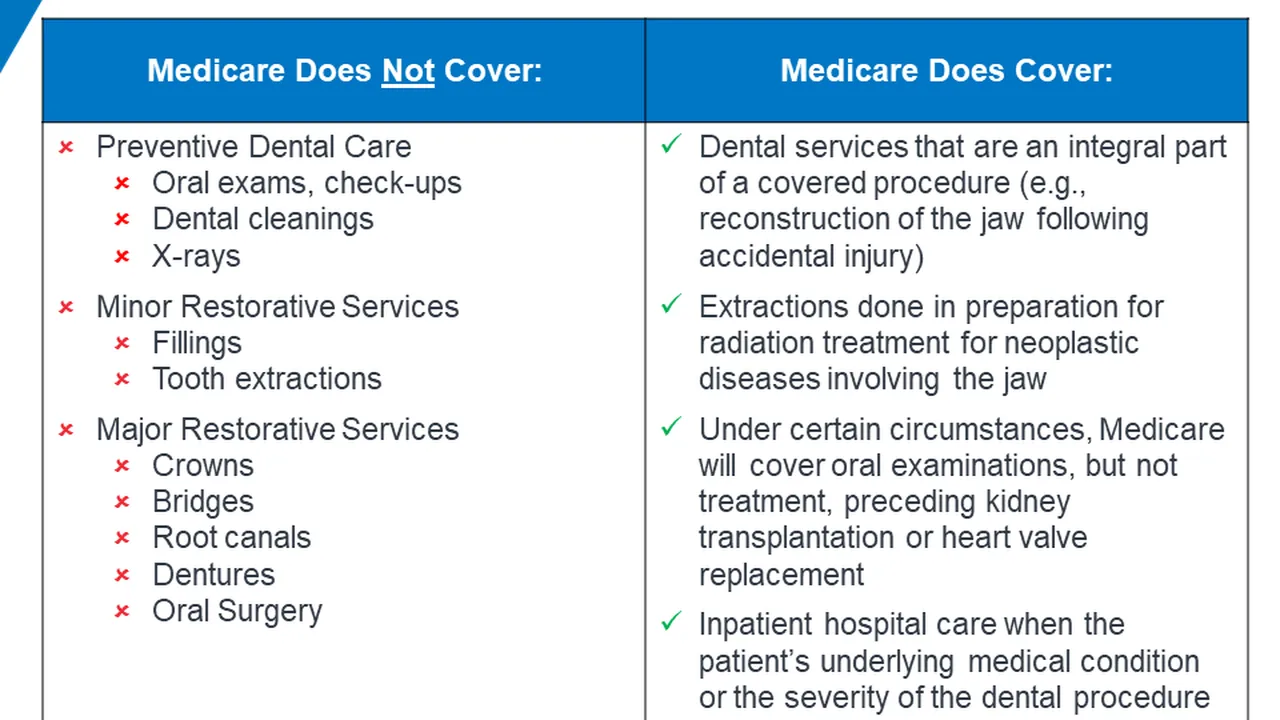
This is where it gets tricky. Many standard dental insurance plans do not cover orthodontics (braces, aligners) for adults, or they might only cover a small percentage for children. Cosmetic procedures like teeth whitening or veneers are almost never covered by insurance, as they are not considered medically necessary. If orthodontics is a priority, you might need to look for specialized orthodontic insurance or a plan rider, or consider a discount plan that offers discounts on these services.
Tips for Maximizing Your Dental Benefits
- Understand Your Plan: Read your policy documents carefully. Know your deductible, annual maximum, co-insurance percentages, and any waiting periods.
- Stay In-Network: If you have a PPO or HMO, try to stick with in-network dentists to get the best rates.
- Preventive Care is Key: Utilize your 100% covered cleanings and exams. Prevention saves money and pain!
- Plan Major Work: If you need extensive work, try to spread it out over two plan years if possible to maximize your annual maximums.
- Ask for Pre-Estimates: Before major work, ask your dentist to submit a pre-treatment estimate to your insurance company. This will tell you exactly what they'll cover.
- Consider Discount Plans: If you're self-employed, don't have employer-sponsored insurance, or need immediate care, a discount plan can be a very cost-effective solution.
- Negotiate: Don't be afraid to ask your dentist about payment plans or cash discounts, especially if you're uninsured or have high out-of-pocket costs.
Alternatives to Traditional Dental Insurance No Insurance Options
What if traditional insurance just isn't for you? Don't worry, you still have options to get affordable dental care.
Dental Schools Affordable Care and Training
Many university dental schools offer services at a reduced cost. You'll be treated by dental students under the close supervision of experienced faculty. This can be a great way to get high-quality care for less, though appointments might take longer.
Community Dental Clinics Low Cost Services
Look for community health centers or public dental clinics in your area. These often provide services on a sliding scale based on your income, making dental care accessible to low-income individuals and families.
Payment Plans and Financing Options
Many dental offices offer in-house payment plans, allowing you to pay for expensive procedures over several months. There are also third-party financing options like CareCredit, which acts like a credit card specifically for healthcare expenses, often with promotional interest-free periods.
Dental Tourism Traveling for Affordable Dental Care
For very extensive and expensive procedures, some people consider dental tourism, traveling to countries where dental care is significantly cheaper, such as Mexico or some Southeast Asian countries. While this can offer substantial savings, it requires careful planning and research into the quality of care and post-treatment follow-up.
Maintaining Oral Health Beyond Insurance Daily Habits
No matter what insurance or payment method you choose, remember that your daily habits are the most important factor in maintaining good oral health. Brushing twice a day, flossing daily, and using mouthwash can prevent many common dental problems, reducing your need for expensive procedures.
Regular dental checkups and cleanings are your first line of defense. They allow your dentist to catch small issues before they become big ones. Don't wait until you're in pain to see a dentist. Be proactive!
Choosing the right dental insurance or payment option in the US can seem daunting, but by understanding the different types of plans, comparing providers, and knowing your alternatives, you can find an affordable way to keep your smile healthy and bright. Your oral health is an investment in your overall well-being, so take the time to explore these options and make the best choice for yourself and your family.
:max_bytes(150000):strip_icc()/277019-baked-pork-chops-with-cream-of-mushroom-soup-DDMFS-beauty-4x3-BG-7505-5762b731cf30447d9cbbbbbf387beafa.jpg)