Access to Healthcare US vs SEA Differences
Explore the differences in healthcare accessibility and waiting times between the US and Southeast Asia.

Explore the differences in healthcare accessibility and waiting times between the US and Southeast Asia. This article dives deep into how patients in these regions experience healthcare, from getting an appointment to receiving specialized treatment. We'll compare systems, highlight key challenges, and offer insights into what makes each region unique.
Access to Healthcare US vs SEA Differences
When it comes to healthcare, access is everything. It's about whether you can see a doctor when you need one, get the right medication, or receive specialized treatment without undue delay. The United States and Southeast Asia represent two vastly different approaches to healthcare provision, each with its own strengths and weaknesses regarding accessibility and waiting times. Understanding these differences is crucial for anyone navigating these systems, whether as a resident, an expat, or a medical tourist.
Understanding Healthcare Access US Healthcare System
The US healthcare system is often characterized by its high costs and complex insurance landscape. While it boasts world-class medical technology and highly skilled professionals, access can be a significant hurdle for many. The primary driver of access in the US is health insurance. Without adequate insurance, individuals often face exorbitant out-of-pocket costs, making even routine care unaffordable.
Health Insurance and Its Impact on Access US Healthcare
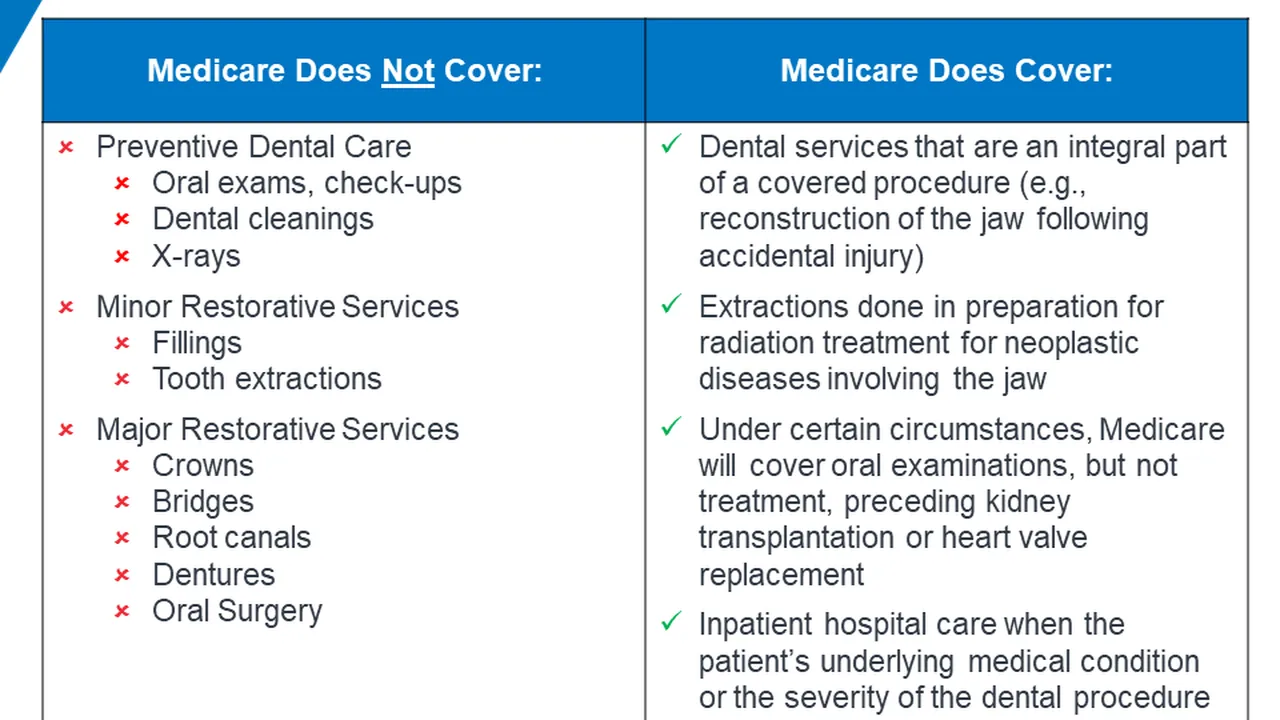
In the US, health insurance is predominantly employer-sponsored, purchased individually, or provided through government programs like Medicare (for seniors and some disabled individuals) and Medicaid (for low-income individuals and families). The type of insurance plan significantly dictates access. For instance, Health Maintenance Organizations (HMOs) typically require patients to choose a primary care physician (PCP) within their network and get referrals for specialists, which can sometimes lead to longer waiting times for specialized care. Preferred Provider Organizations (PPOs) offer more flexibility, allowing patients to see out-of-network providers, albeit at a higher cost.
The Affordable Care Act (ACA) aimed to expand access by requiring most Americans to have health insurance and providing subsidies for low-income individuals to purchase plans through marketplaces. While it significantly reduced the uninsured rate, challenges remain. High deductibles and co-pays can still deter people from seeking necessary care, leading to delayed diagnoses and treatments.
Waiting Times for Appointments US Healthcare
Waiting times in the US can vary widely depending on the specialty, location, and insurance plan. For a routine primary care appointment, it might take a few days to a couple of weeks. However, for specialists, especially in high-demand fields like dermatology, orthopedics, or mental health, waiting times can stretch from several weeks to several months. This can be particularly frustrating for patients with chronic conditions or those requiring urgent specialist intervention.
Emergency rooms (ERs) are always accessible, but they are designed for acute, life-threatening conditions. Using an ER for non-emergency issues can lead to extremely long waits and astronomical bills, further highlighting the access issues within the primary care system.
Understanding Healthcare Access Southeast Asia Healthcare Systems
Southeast Asia presents a mosaic of healthcare systems, ranging from highly developed and efficient (like Singapore and Thailand) to those still undergoing significant development (like Cambodia and Laos). Generally, many Southeast Asian countries operate on a dual system of public and private healthcare, with varying degrees of government funding and universal health coverage.
Public vs Private Healthcare Access Southeast Asia
In countries like Thailand and Malaysia, public healthcare is often affordable or even free for citizens, but it can come with longer waiting times and less personalized care, especially in rural areas. Private hospitals, on the other hand, offer state-of-the-art facilities, shorter waiting times, and a higher level of comfort, but at a significantly higher cost. This creates a two-tiered system where access to premium care is often dictated by one's ability to pay or have private insurance.
Singapore stands out with its highly efficient and well-funded public healthcare system, complemented by a robust private sector. Citizens benefit from universal healthcare coverage, with government subsidies making quality care accessible. However, even in Singapore, private options offer quicker access to specialists and more luxurious amenities.
Waiting Times for Appointments Southeast Asia Healthcare
Waiting times in Southeast Asia are generally shorter than in the US, particularly in the private sector. In countries like Thailand and Malaysia, it's often possible to get a same-day or next-day appointment with a general practitioner. For specialists, waiting times in private hospitals are typically a few days to a couple of weeks. Public hospitals, while more affordable, can have longer waits, especially for non-urgent procedures or specialist consultations.
The rise of medical tourism in countries like Thailand and Singapore has also influenced access. These countries have invested heavily in infrastructure and personnel to cater to international patients, often offering expedited services and specialized treatments that might have long waits or be unavailable in a patient's home country.
Key Differences in Healthcare Accessibility US vs SEA
Several fundamental differences shape healthcare accessibility in the US and Southeast Asia:
Insurance Driven Access US Healthcare vs Government Subsidized SEA
The most significant difference lies in the funding and insurance models. The US system is heavily reliant on private insurance, making access highly dependent on one's employment status or financial capacity. In contrast, many Southeast Asian countries have stronger government involvement in healthcare funding, leading to more subsidized or universal public healthcare options, even if private options exist for those who can afford them.
Cost as a Barrier US Healthcare vs Affordability SEA
Cost is a major barrier to access in the US. Even with insurance, high deductibles and co-pays can prevent individuals from seeking timely care. In Southeast Asia, while private care can be expensive, public healthcare options are generally more affordable, and the overall cost of medical services is significantly lower than in the US, making it a popular destination for medical tourism.
Specialist Access and Referrals US vs SEA
The referral system in the US, particularly with HMO plans, can add layers of bureaucracy and delay access to specialists. In many Southeast Asian countries, especially in the private sector, direct access to specialists is more common, allowing patients to bypass the need for a PCP referral and potentially reducing waiting times.
Geographic Disparities US Healthcare vs Rural Access SEA
Both regions face geographic disparities in access. In the US, rural areas often have fewer healthcare providers and facilities, leading to longer travel times and limited options. Similarly, in less developed parts of Southeast Asia, rural populations may have limited access to even basic healthcare services, relying on mobile clinics or traveling long distances to urban centers.
Specific Product Recommendations for Enhanced Access
While direct 'products' for healthcare access are primarily insurance plans, we can consider services and technologies that enhance access. Here are a few categories and examples:
Telehealth Platforms for Remote Consultations
Telehealth has revolutionized access, especially for routine consultations, follow-ups, and mental health support. It's particularly useful in reducing waiting times and overcoming geographic barriers.
- Teladoc Health (US): A leading telehealth provider in the US, offering 24/7 access to doctors via phone or video.
- Usage Scenario: Non-emergency conditions like colds, flu, allergies, skin conditions, or mental health counseling.
- Comparison: Offers a wide network of board-certified physicians. Often integrated with employer health plans.
- Pricing: Varies based on insurance coverage; typically $0-$75 per visit without insurance.
- Doctor Anywhere (Southeast Asia): Popular in Singapore, Malaysia, Thailand, and Vietnam, providing online consultations, medication delivery, and even home-based health services.
- Usage Scenario: Similar to Teladoc, but with localized services like e-prescriptions and medication delivery.
- Comparison: Strong regional presence, often partners with local pharmacies and clinics.
- Pricing: Typically SGD 15-25 per consultation, varying by country and service.
Medical Tourism Facilitators for International Patients
For those seeking care across borders, medical tourism facilitators streamline the process, enhancing access to specialized treatments and potentially reducing costs and waiting times.
- Medical Departures (Global): Connects patients with clinics and hospitals worldwide, particularly strong in Southeast Asia (Thailand, Malaysia) for dental, cosmetic, and elective surgeries.
- Usage Scenario: Planning complex procedures like dental implants, plastic surgery, or fertility treatments abroad.
- Comparison: Offers transparent pricing, patient reviews, and assistance with travel logistics.
- Pricing: Service fees are often included in the overall treatment package, or a small booking fee may apply.
- Bookimed (Global): Another major platform, with a strong focus on connecting patients with hospitals in countries like Thailand, South Korea, and Turkey for various medical needs.
- Usage Scenario: Seeking specialized treatments like oncology, cardiology, or orthopedics in top international hospitals.
- Comparison: Provides personalized assistance, medical record translation, and visa support.
- Pricing: Free consultation, service fees vary based on the complexity of the case and chosen hospital.
Health Savings Accounts HSAs and Flexible Spending Accounts FSAs US Healthcare
These financial tools, specific to the US, can improve access by making healthcare costs more manageable.
- Health Savings Accounts (HSAs): Tax-advantaged savings accounts available to those with high-deductible health plans (HDHPs).
- Usage Scenario: Saving for future medical expenses, paying for deductibles, co-pays, and other qualified medical costs.
- Comparison: Funds roll over year to year, are portable, and can be invested. Triple tax advantage (contributions, earnings, and withdrawals for qualified medical expenses are tax-free).
- Pricing: No direct cost, but requires enrollment in an HDHP.
- Flexible Spending Accounts (FSAs): Employer-sponsored accounts that allow employees to set aside pre-tax money for healthcare expenses.
- Usage Scenario: Covering out-of-pocket medical, dental, and vision expenses within a plan year.
- Comparison: 'Use it or lose it' rule (funds typically expire at year-end), but some plans offer a grace period or carryover.
- Pricing: No direct cost, offered as an employee benefit.
Improving Healthcare Access Strategies and Innovations
Both the US and Southeast Asia are continuously exploring ways to improve healthcare access and reduce waiting times. Here are some strategies:
Digital Health Solutions and AI Integration
The adoption of digital health solutions, beyond just telehealth, is growing. AI-powered diagnostic tools can help streamline initial assessments, potentially reducing the burden on primary care physicians and speeding up referrals. Mobile health apps can empower patients to manage their conditions, track appointments, and access health information more easily.
Community Health Programs and Outreach
In both regions, particularly in underserved areas, community health programs play a vital role. These initiatives focus on preventive care, health education, and connecting individuals with necessary services, often bridging gaps where formal healthcare infrastructure is lacking.
Policy Reforms and Universal Coverage Initiatives
Governments in Southeast Asia are often working towards strengthening universal health coverage schemes, aiming to provide a basic level of care for all citizens. In the US, discussions around expanding Medicare or creating a public option continue, reflecting a desire to reduce the number of uninsured and underinsured individuals.
Investment in Healthcare Infrastructure and Workforce Development
To truly improve access, investment in physical infrastructure (hospitals, clinics) and the healthcare workforce (doctors, nurses, allied health professionals) is essential. This is particularly critical in developing regions of Southeast Asia and rural areas of the US.
Navigating Healthcare Access for Expats and Travelers
For expats living in either the US or Southeast Asia, understanding the local healthcare system is paramount. In the US, securing comprehensive health insurance is non-negotiable. For Southeast Asia, while public options exist, many expats opt for private international health insurance to ensure access to high-quality private hospitals and shorter waiting times.
Travelers should always have travel insurance that includes medical coverage. This is especially important given the high cost of emergency care in the US and the potential for unexpected medical needs while abroad in Southeast Asia.
Ultimately, while the US offers advanced medical care, its access is often gated by cost and insurance complexities, leading to significant waiting times for specialized care. Southeast Asia, with its diverse systems, often provides more affordable options and quicker access, particularly in its burgeoning private sector and medical tourism hubs. Choosing the right path depends on individual needs, financial capacity, and the specific healthcare services required.
:max_bytes(150000):strip_icc()/277019-baked-pork-chops-with-cream-of-mushroom-soup-DDMFS-beauty-4x3-BG-7505-5762b731cf30447d9cbbbbbf387beafa.jpg)