5 Key Differences US vs SEA Healthcare
Highlighting the five most significant differences between the US and Southeast Asian healthcare systems.
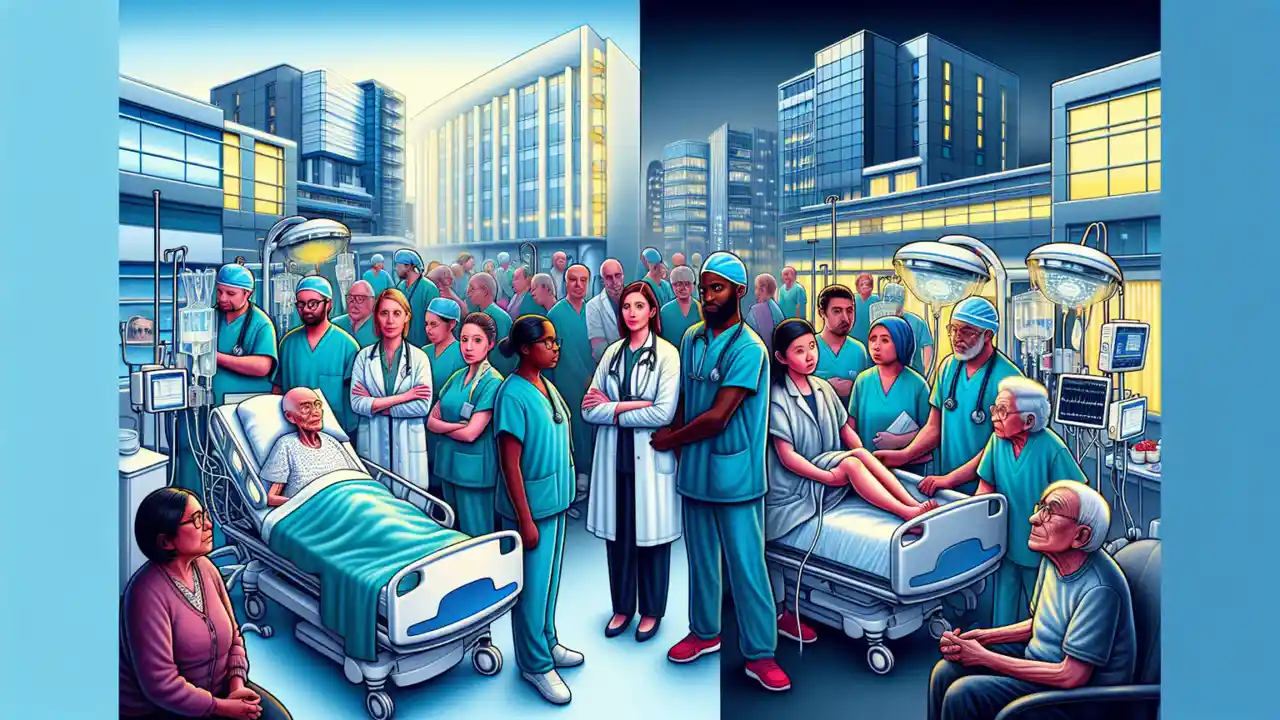
Highlighting the five most significant differences between the US and Southeast Asian healthcare systems.
5 Key Differences US vs SEA Healthcare
When it comes to healthcare, the United States and Southeast Asia present two vastly different landscapes. For anyone considering medical care, relocating, or simply curious about global health systems, understanding these distinctions is crucial. We're going to dive deep into five of the most significant differences, covering everything from how you pay for care to the very philosophy behind treatment. This isn't just about numbers; it's about the patient experience, accessibility, and the overall approach to health and well-being in these regions.
Healthcare Funding and Insurance Models US vs Southeast Asia
One of the most glaring differences between the US and Southeast Asian healthcare systems lies in their fundamental funding and insurance models. In the United States, the system is predominantly private, market-driven, and highly complex. Most citizens rely on employer-sponsored health insurance, government programs like Medicare (for seniors and certain disabled individuals) and Medicaid (for low-income individuals), or purchasing plans directly from the marketplace. This multi-payer system often leads to significant out-of-pocket costs, high deductibles, and a constant struggle for many to afford comprehensive coverage. The Affordable Care Act (ACA) attempted to expand coverage, but the underlying private insurance framework remains dominant. This means that even with insurance, patients can face substantial bills, and navigating the intricacies of co-pays, co-insurance, and out-of-network charges can be a full-time job.
In contrast, many Southeast Asian countries lean towards universal healthcare coverage, often funded through a mix of general taxation, social insurance schemes, and sometimes, mandatory contributions. Countries like Thailand, for instance, have a robust universal health coverage (UHC) scheme that provides comprehensive benefits to its citizens, largely funded by the government. Singapore, while having a more hybrid model, utilizes a compulsory savings scheme (Medisave) alongside government subsidies and private insurance to ensure affordability. Malaysia also has a strong public healthcare system, heavily subsidized by the government, making basic healthcare services highly accessible and affordable for its citizens. Even in countries with developing healthcare infrastructure like Vietnam or Indonesia, there's a clear governmental push towards expanding universal access, often through national health insurance programs. This fundamental difference in funding means that in Southeast Asia, the financial burden on individual patients for essential care is generally much lower, and the fear of medical bankruptcy, a very real concern in the US, is significantly reduced.
Access to Care and Waiting Times US vs Southeast Asia
Access to care and the associated waiting times present another critical divergence. In the US, while specialized care is often readily available for those with good insurance and the means to pay, primary care access can be a challenge in certain areas, particularly rural ones. Furthermore, the fragmented nature of the system can lead to delays in referrals and coordination between different providers. For those without adequate insurance, accessing even basic care can be a significant hurdle, often leading to reliance on emergency rooms for non-emergent conditions, which is both inefficient and costly.
Southeast Asian countries, with their emphasis on universal coverage, often prioritize primary care and public health initiatives. This can lead to more equitable access to basic medical services, especially in urban centers. However, waiting times for specialized procedures or non-emergency surgeries can vary widely. In countries with highly developed systems like Singapore, efficiency is paramount, and waiting times are generally manageable. In others, particularly those with rapidly expanding populations and limited resources, public hospitals might experience longer waits for certain elective procedures. That said, the option of affordable private healthcare often exists in these countries, allowing those who can afford it to bypass public system queues. For example, in Thailand, while public hospitals can have long waits, the private hospital sector is world-class and offers immediate access to specialists. The key difference here is that in Southeast Asia, even if there are waits in the public system, the cost barrier to accessing care is much lower, making it a matter of time rather than financial impossibility for many.
Quality of Care and Medical Technology US vs Southeast Asia
When discussing quality of care and medical technology, it's easy to fall into generalizations, but the reality is nuanced. The United States is undeniably a global leader in medical innovation, research, and advanced technology. Many cutting-edge treatments, pharmaceuticals, and medical devices originate from or are first adopted in the US. Its top-tier hospitals and academic medical centers are renowned worldwide for their expertise and state-of-the-art facilities. However, this high level of technology and specialization often comes with a hefty price tag, contributing to the overall high cost of US healthcare.
Southeast Asia, while perhaps not always at the absolute forefront of medical research, has made incredible strides in developing high-quality healthcare infrastructure, particularly in its major cities and for medical tourism. Countries like Singapore and Thailand boast hospitals that rival the best in the West, equipped with advanced technology and staffed by highly trained medical professionals, many of whom received their education and training internationally. For instance, Bumrungrad International Hospital in Bangkok, Thailand, is a prime example of a Southeast Asian facility offering world-class care, advanced diagnostics, and complex surgical procedures. Similarly, Singapore's public and private hospitals are consistently ranked among the best globally. Even in countries like Malaysia and Vietnam, significant investments have been made in modernizing hospitals and adopting new technologies. While access to the very latest experimental treatments might be more limited than in the US, for standard and even many complex procedures, the quality of care in leading Southeast Asian medical centers is exceptionally high and often more affordable. The focus in many SEA countries is on delivering effective, evidence-based care efficiently, often leveraging technology to improve patient outcomes and streamline processes.
Patient Experience and Cultural Approach to Healthcare US vs Southeast Asia
The patient experience and the cultural approach to healthcare also differ significantly. In the US, the patient experience can often feel transactional and bureaucratic. While patient rights are emphasized, the sheer complexity of insurance, billing, and navigating multiple specialists can be overwhelming. There's a strong emphasis on individual responsibility for health, and while patient-centered care is a goal, the system's structure can sometimes make it feel impersonal. Communication can be direct, and patients are generally expected to be proactive in managing their care and asking questions.
In Southeast Asia, the patient experience often incorporates a more holistic and culturally sensitive approach. While modern medicine is practiced, there's often a greater integration or respect for traditional healing practices and a stronger emphasis on family involvement in patient care decisions. The hospitality culture prevalent in many Southeast Asian nations often extends to healthcare, with a focus on comfort, personalized attention, and a more nurturing environment, especially in private hospitals catering to international patients. For example, in many Thai hospitals, nurses and staff are known for their warm demeanor and attentive service, which can significantly enhance the patient's emotional well-being. Communication might be more indirect, and there can be a greater deference to medical authority, though this is evolving. The emphasis on community and family support is also a strong component, with families often playing a more active role in caregiving and decision-making than might be typical in the US. This cultural nuance can make the healthcare experience feel more supportive and less isolating for many patients.
Prescription Drug Costs and Availability US vs Southeast Asia
Finally, the cost and availability of prescription drugs represent a major point of contrast. The United States has some of the highest prescription drug prices in the world. This is due to a combination of factors, including a lack of government negotiation power, patent protections, and the complex supply chain. Even with insurance, patients can face exorbitant co-pays or be forced to pay full price for medications not covered by their plan. This often leads to patients rationing their medications, foregoing necessary treatments, or seeking cheaper alternatives from abroad.
In Southeast Asia, prescription drug costs are generally significantly lower. Many countries have government regulations that control drug pricing, promote generic alternatives, and facilitate bulk purchasing. For example, in Thailand, many common medications are available over-the-counter or with a prescription at a fraction of the cost found in the US. Generic drugs are widely used and accepted, and there's less of a push towards expensive brand-name pharmaceuticals. This affordability makes essential medications much more accessible to the general population. While some of the very newest or highly specialized drugs might have limited availability or require importation, for the vast majority of common and chronic conditions, medications are both affordable and readily available. This difference has a profound impact on patient adherence to treatment plans and overall public health outcomes, as financial barriers to medication are substantially reduced.
Understanding these five key differences provides a clearer picture of the healthcare landscapes in the US and Southeast Asia. Each system has its strengths and weaknesses, and what works best often depends on individual needs, financial situation, and cultural preferences. For those considering medical travel or relocation, these insights are invaluable for making informed decisions about where to seek care.
:max_bytes(150000):strip_icc()/277019-baked-pork-chops-with-cream-of-mushroom-soup-DDMFS-beauty-4x3-BG-7505-5762b731cf30447d9cbbbbbf387beafa.jpg)